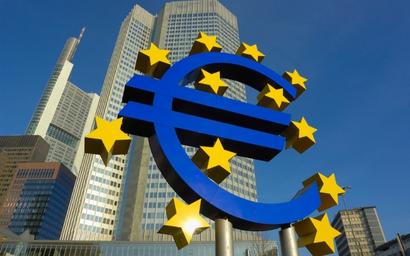
The ECB cut interest rates by 25 basis points to 2.5% yesterday, but uncertainty looms as policymakers disagree, geopolitical tensions persist and fiscal spending rises across Europe, according to market experts.
While some policymakers, such as Isabel Schnabel, advocate for a pause, arguing that rates are nearing neutral levels, others see room for further cuts due to sluggish growth and risks from an escalating trade war. Nicolas Forest, CIO at Candriam, highlighted these tensions, emphasising that the ECB’s decision-making is becoming increasingly complex. “Even if deflation is on track and monetary policy has become less restrictive, there are phenomenal uncertainties, and the ECB is not pre-committing to a specific course of action,” he said. Forest added that ECB President Christine Lagarde remains data-dependent, reassessing the situation at every meeting in response to shifting economic and geopolitical factors.
The ECB now expects inflation to hit its 2% target by early 2026, reinforcing the case for additional cuts. However, Roelof Salomons, chief investment strategist at BlackRock, said that a meeting-by-meeting approach could soon shift to a slower, quarterly pace of rate reductions. “We still expect the ECB to cut rates to neutral—around 2%—but uncertainty is increasing. Higher fiscal spending, if it materialises, is likely to push the neutral rate up,” he explained. Salomons pointed out that elevated government spending in defence and infrastructure, particularly in Germany, could influence the ECB’s policy stance, making rate cuts more measured.
The announcement of Germany’s €500 billion infrastructure and defence plan has already affected market pricing, reducing expectations for rate cuts this year from 60 basis points to 45 basis points, according to Forest. He noted that these fiscal initiatives, alongside the EU’s ReArm Europe plan, could support economic growth and help offset the negative effects of potential trade tariffs, making a deep recession less likely.
ECB rate cut to 2.75% sparks market reaction
More European defence spending and ongoing trade tensions are adding another layer of complexity. “The US withdrawal of military support to Ukraine will require billions in European defence investment,” said Forest. EU leaders are already discussing ways to finance these increases, which could limit the ECB’s ability to cut rates aggressively,” added Felix Feather, economist at Aberdeen. He noted that fiscal stimulus could support GDP growth in Germany by 0.5%-1.0% and in the wider Eurozone by 0.2%-0.7%, helping offset some of the effects of restrictive monetary policy. However, Feather warned that this boost might come too late for France, which is already showing signs of a technical recession.
Salomons highlighted that rising government spending expectations have pressured long-term euro area bonds as markets adjust to increased fiscal expansion. “Prospects of rising government spending have put pressure on long-term euro area government bonds this week,” he said. At the same time, BlackRock upgraded its view on European stocks to neutral, citing a more balanced growth outlook and reduced risk premia as fiscal stimulus and disinflation support market stability.
While the ECB’s rate path remains uncertain, most analysts expect rates to reach a neutral level of around 2%. Konstantin Veit, portfolio manager at Pimco, noted that while weak economic growth supports additional easing, the ECB is divided on where rates should ultimately settle. He emphasised that decisions will remain meeting-by-meeting, with future rate cuts becoming more contentious as uncertainty rises.
The ECB’s next moves will remain meeting-by-meeting, and the data flow will determine whether the ECB cuts further or pauses, according to Veit. Weak near-term activity data and US tariffs could push the ECB to cut more aggressively, but front-loaded fiscal easing could mean rates stay higher for longer, Feather added.