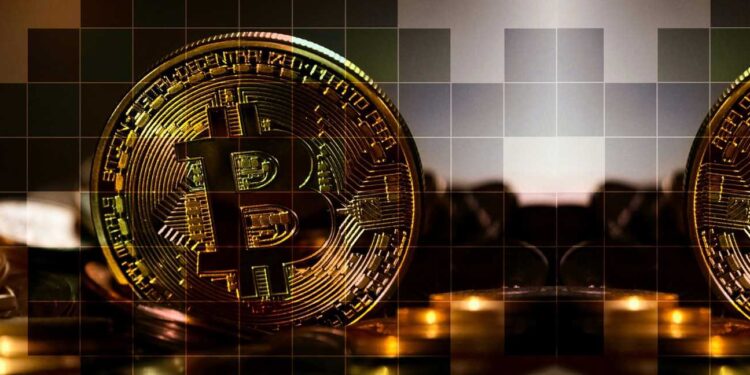
Officials from the European Central Bank (ECB) have renewed their criticism of bitcoin following the approval of the first bitcoin spot ETFs by the US Securities and Exchanges Commission (SEC).
While the SEC move has been hailed by bitcoin proponents as a sign of its legitimacy, a blog post written by two ECB officials refers to it is a “misjudgement by the authorities” and an example of the “naked emperors’ new clothes”.
The officials also refer to the subsequent price surge that followed the SEC decision as a “dead cat bouncing” rather than “proof of an unstoppable triumph”.
Investors foresee “game changer” spot ETFs leading to a 10% Bitcoin surge
“Bitcoin has failed on the promise to be a global decentralised digital currency and is still hardly used for legitimate transfers,” states the blog. “The latest approval of an ETF doesn’t change the fact that bitcoin is not suitable as means of payment or as an investment.”
The blog also criticises the EU’s Markets in Crypto Assets (MiCA) regulation for convincing “less informed outsiders” that with MiCA in place, bitcoi9n would be regulated and safe.
While the blog does not represent an official view of the ECB, the two officials hold senior roles within the bank. Ulrich Bindseil is director general of market infrastructure and payments while Jürgen Schaaf is an advisor in the same department.
Bitcoin fluctuations and economic concerns hit European stocks
The two officials also warned about the risk of bitcoin in an earlier post in November 2022 citing its failure to become a global decentralised digital currency and to be a financial asset, the value of which would inevitably continue to rise.
And the SEC approval of the bitcoin ETF and the resulting price surge has only served to add “fuel to the speculative bubble”.
The comments from Bindseil and Schaaf have been criticised by bitcoin advocates who have alleged that the ECB and other central banks have every interest in bitcoin and other decentralised cryptocurrencies not being used because they want to see central bank digital currencies succeed instead.
©2024 fundsTech