Sustainable investing has moved through cycles of enthusiasm, scepticism and reinvention over the past 25 years, but the long-term investment opportunity remains strong, according to EdenTree Investment Management’s head of sustainable investments, Carlota Esguevillas; chief investment officer, Charlie Thomas, and CEO, Andy Clark.
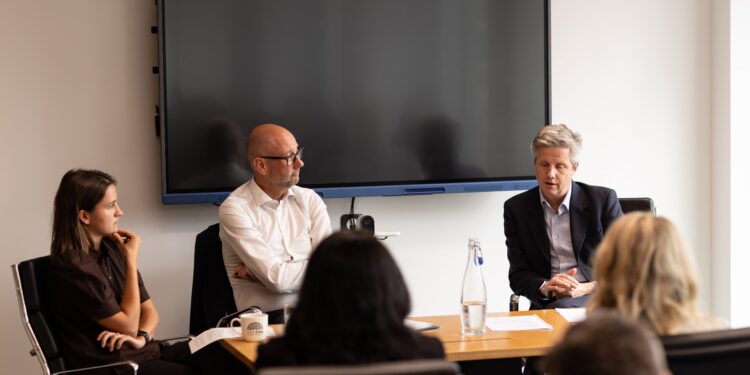
In a fireside discussion, they spoke on the shift from the early days of environmental investing, when fund managers were often “shouting into the wind” on issues such as climate change, water shortages and recycling, to the current environment, where sustainability is more widely understood but also politically contested.
Carlota, Charlie, and Andy shared moments from their journey that helped make sustainability investment mainstream. Among them was the impact of the Blue Planet documentary series (narrated by David Attenborough), which changed public awareness and investor conversations about environmental issues. They also cited the momentum around the UN Climate Change Conference in Glasgow (Cop26) as a milestone that raised sustainability on the investment agenda.
Companies may be changing the language they use, talking more about efficiency, resilience and security rather than climate change, but the long-term drivers remain in place. The Edentree leadership trio also noted that online search trends for sustainable investing have continued to rise over the long term despite political headwinds.
They also pointed to what they described as a “green revolution” in areas such as energy efficiency, industrial innovation, and climate solutions, adding that such technological transformation is often underappreciated by investors.
Valuations in renewable energy, energy efficiency, industrial innovation and climate adaptation were highlighted as areas where fundamentals remain strong. Geopolitical instability, reshoring and the need for greater security of supply were also highlighted as drivers of a new industrial investment cycle.
Investors may shift their focus from emissions avoidance to helping economies and businesses adapt to climate-related risks, they added.
Sustainable funds still face a perception that investors must sacrifice returns, but the trip added that this view can be challenged over the long term. EdenTree’s investable universe, for instance, has expanded from around 250 companies in 2003 to roughly 1,200-1,300 today, providing a broader opportunity set.
Research shows as many as eight in ten investors previously doubted whether funds marketed as sustainable genuinely matched their claims, they shared.
Initiatives such as the UK’s Sustainability Disclosure Requirements are helping improve transparency and distinguish managers with long-term commitments from those that entered the market opportunistically during periods of high demand.
However, they suggested that sustainability labels are likely to become a “hygiene factor” for managers operating in the space rather than a differentiator, with more stress laid on investment processes, stewardship, and the ability to deliver on stated objectives.