Former commanding general of US Army Europe, Ben Hodges, has been appointed to the advisory board of the Finserve Global Security fund as principal strategic advisor where he will work with the former chief of the Swedish army to help identify opportunities in the defence, cybersecurity and space sectors.
Finserve, which last month announced the appointment of Spring Capital to facilitate distribution of the fund outside the Nordic region, positions itself as the first actively managed global defence fund launched in the Europe region, including UK.
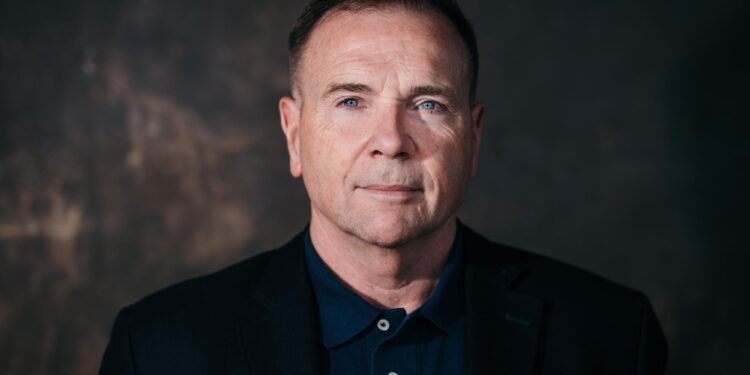
Hodges (pictured), who as lieutenant general commanded US land forces in Europe, was responsible for decisions on NATO deterrence, military mobility and readiness following the Russian annexation of Crimea. Now retired, at Finserve he will support lead portfolio manager Joakim Agerback in evaluating long term capability requirements in areas such as defence, bringing additional advisory capabilities in geopolitics and security.
Such advice has fed through to the strategy recently in the form of discussions on increasing exposure to the Indo-Pacific region and maritime security, Finserve noted. Hodges brings additionally the US perspective on both this region and Europe.
Karl Engelbrektson, also a lieutenant general before retirement and former chief of the Swedish Army, and head of the advisory board at Finserve, commented: “Ben brings strategic clarity, strong credibility, and the ability to assess transatlantic rebalancing and developments. His deep understanding of deterrence, military readiness, and geopolitical risks strengthens our ability to interpret security developments from a long-term investment perspective.”
Hodges commented: “The investment decisions made today will shape the defence capabilities and deterrence posture of tomorrow. I look forward to contributing my strategic insights in helping to identify the companies and technologies that will support long-term security and stability.”
Agerback added: “We are seeing a rapid development in new forms of defence capability and recognise the importance of the way in which these new tools integrate with traditional military systems, command-and-control structures. Ben brings unique insight in assessing these capabilities, the relevant suppliers, and the way in which procurement chains may evolve. This adds a distinct and valuable dimension to our investment process. His appointment marks an important milestone in the continued development of the Fund as we continue to strengthen the portfolio management team and advisory board.”
Related developments
Later this week, the 62nd Munich Security Conference (MSC) will take place 13-15 February 13 to 15.
With some 50 heads of state expected to attend, it is set to cover topics including European security and defence, the future of the transatlantic relationship, the revitalisation of multilateralism, competing visions of the global order, regional conflicts, and the security implications of technological advances.
Last year’s conference saw US vice president JD Vance take a hard line against the approach to defence of European members of NATO, which was followed by the Hague NATO Summit in June 2025, which resulted in alliance members agreeing to 5% of GDP as a defence expenditure target, providing significant uplift to the defence sector.