How would you describe the state of competition in the European asset management industry?
The competition is fierce in the European asset management industry. Moreover, it faces increased costs. Technology costs are skyrocketing – in particular AI – as asset managers have to pursue expensive digital transformations.
Regulation costs are also on the rise, especially regarding the protection of retail customers. An EU package has introduced a new concept of ‘Value for Money’ to ensure that investment products are offered to retail clients only if they offer good value for money. Consequently, asset managers have to offer retail investors the same level of information, treatment and protection regardless of which investment products, marketing and distribution channels they use.
These increasing costs can be weathered by large asset managers, less so by mid-size actors.
This high-pressure business environment has led to renewed consolidations, as the recent operations have showed. Active managers are also under pressure on fees, as passive management is making inroads in Europe.
How important do you feel private markets are, in relation to public markets, for growth in the European economy?
Private markets are a real growth driver for asset managers in Europe. Private markets funds are not yet in the target locations of institutional investors, so there is room to grow, especially if you look at the gap between US institutional investors and European ones in terms of private assets.
Another fast-developing segment is private market products for retail investors. The market for Eltifs [European Long-term Investment Funds] continues to grow fast, as they give retail investors access to previously unavailable investments. We expect Eltifs to be very attractive and should fuel growth for asset management.
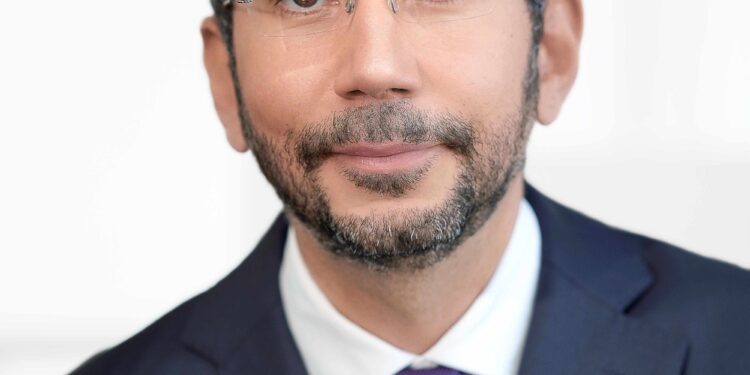
Interview with Amine Benghabrit, Head of France and Benelux, Allianz Global Investors